
Blog
Jewelry and Its Connection to Human Anatomy: Designing for the Human Form
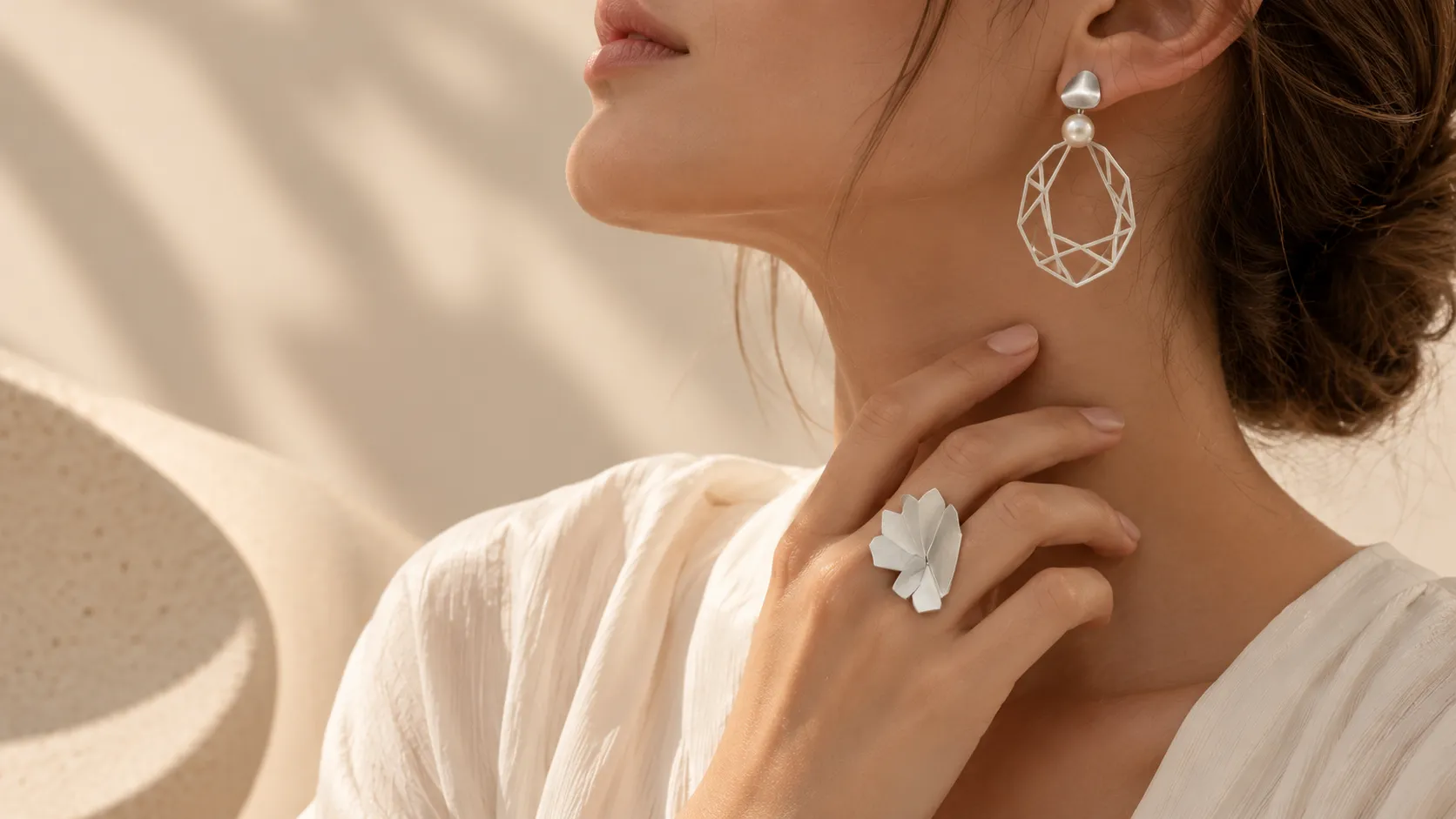
Jewelry and Its Connection to Human Anatomy explores how jewelry interacts with the natural shape, proportions, and movement of the human body. From rings that follow the contours of the fingers to necklaces that rest along the neckline, every successful design considers the relationship between an object and the person wearing it.
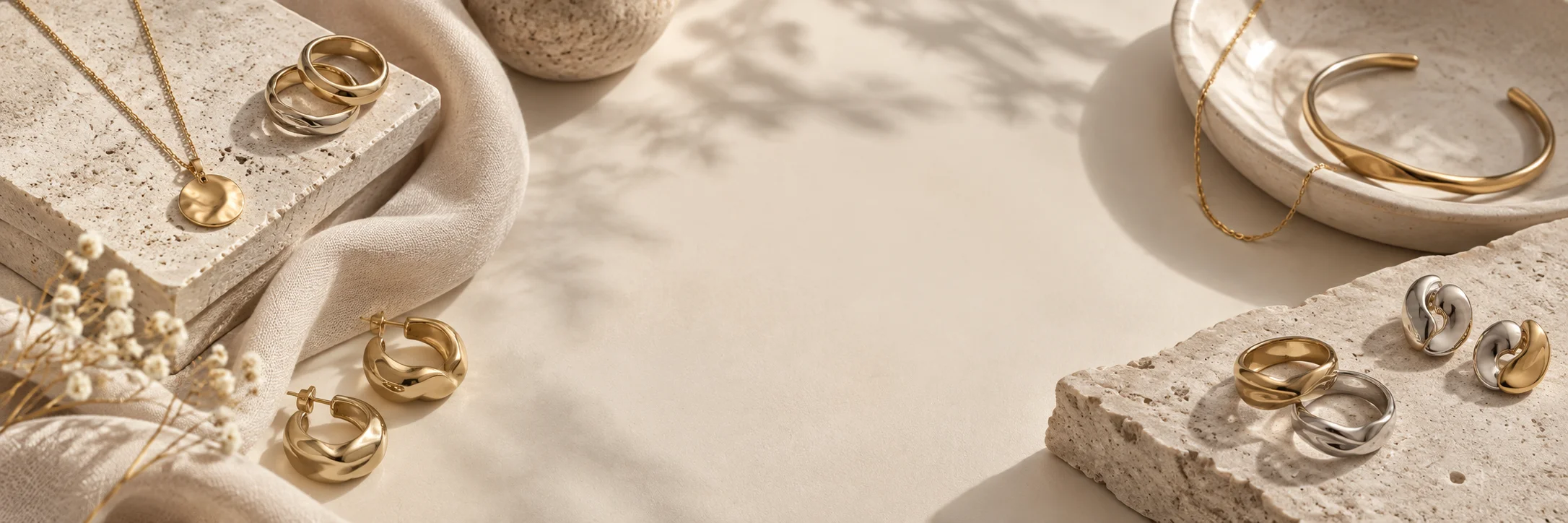
At Mahshid Gallery, founded by Mahshid Tahsili, contemporary gold and silver jewelry explores form, movement, and simplicity, offering a natural starting point for understanding how artistic design can complement the human figure.
Rings, necklaces, earrings, and bracelets each interact with different anatomical features, creating unique design opportunities. By understanding these relationships, designers can create pieces that combine visual expression, comfort, and thoughtful craftsmanship.
Jewelry and Its Connection to Human Anatomy
The human body provides both the setting and the inspiration for jewelry design. Its curves, joints, proportions, and movements influence how a piece should be shaped and positioned. A design that looks beautiful on a display stand may appear very different when worn, making the relationship between the object and the body an essential part of the creative process.
The study of Jewelry and Its Connection to Human Anatomy is not limited to physical measurements. It also considers how people experience jewelry through movement, touch, appearance, and personal expression.
Body Shape as a Source of Design Inspiration
The contours of the neck, wrists, hands, ears, and fingers offer distinct possibilities for jewelry designers. A curved necklace can follow the neckline, while a sculptural ring can emphasize the shape of the hand. Earrings may frame the face, and bracelets can draw attention to the movement of the wrist.
Designers can use these anatomical features as starting points rather than treating the body as a passive surface. The shape of a shoulder, the curve behind the ear, or the natural space between the fingers may inspire original forms.
This approach encourages jewelry that feels connected to its wearer instead of appearing separate from the body.
How Different Parts of the Body Influence Jewelry Design
Each area of the body presents specific design considerations. The best jewelry responds to its placement, movement, and practical requirements while maintaining the intended aesthetic.
Rings and the Anatomy of the Hand
Hands are constantly moving, making rings particularly sensitive to fit and proportion. A ring must sit securely without causing discomfort or restricting ordinary movement. Its inner shape, width, thickness, and overall weight can influence how it feels during wear.
The shape of the fingers can also affect a ring’s visual appearance. Wide sculptural designs create a different impression from slim bands, while asymmetrical forms can introduce movement and individuality.
Designers must also consider the relationship between a ring and the neighboring fingers. A broad or unusually shaped piece should allow enough space for comfortable movement. Because fingers can change in size with temperature and other everyday conditions, a suitable fit is important. A ring should feel secure without being difficult to remove.
Necklaces and the Neckline
Necklaces interact with the neck, collarbone, shoulders, and upper chest. Their length and shape influence where the eye is drawn and how the piece works with different necklines.
A short necklace may sit close to the base of the neck, while a longer chain can create a vertical line along the torso. Pendants introduce additional weight and movement, making their placement important for both appearance and comfort.
The weight of the necklace, the flexibility of its chain, and the design of its clasp also affect the wearing experience. A well-considered piece should rest naturally rather than constantly shifting into an uncomfortable position.
Earrings and the Shape of the Face
Earrings frame the face and interact with the ears, jawline, and neck. Their silhouette can change the visual balance of an overall look. Small studs create a subtle effect, while elongated earrings establish a stronger vertical line. Sculptural designs may use curves, open spaces, or asymmetrical forms to create visual interest.
Weight is especially important for earrings. Larger designs should be evaluated not only for their appearance but also for how comfortably they can be worn. Secure fastenings and suitable proportions help balance artistic expression with practicality.
Bracelets and Wrist Movement
Bracelets sit on an area of the body that moves frequently. The wrist bands and rotates during everyday activities, so a bracelet needs enough freedom of movement without slipping excessively or catching on clothing.
Rigid bangles, flexible chains, and sculptural cuffs interact with the wrist in different ways. A cuff may emphasise a clean architectural line, while a flexible bracelet can follow the movement of the arm.
Designers also need to consider how a bracelet feels against the skin and whether its edges or decorative elements could interfere with movement.
Designing Jewelry That Works With the Body
One of the most important aspects of Jewelry and Its Connection to Human Anatomy is movement. Jewelry is worn in real environments, where people walk, reach, turn their heads, use their hands, and interact with their surroundings.
A piece that looks balanced when stationary may behave differently in motion. Earrings swing, pendants shift, bracelets rotate, and rings interact with neighboring fingers. These movements can become part of the design, but they should be considered intentionally.
Materials, Texture, and the Experience of Wearing Jewelry
Materials influence how jewelry looks, feels, and responds to everyday use. Gold and silver are widely used in contemporary jewelry because they support many different forms, from delicate lines to substantial sculptural shapes.
Gold and Silver in Body-Conscious Design
Gold can introduce warmth and richness, while silver often creates a cooler, understated appearance. Both materials can be formed into smooth curves, geometric structures, and expressive three-dimensional shapes.
Material choice also influences weight and construction. A large design needs to balance its visual presence with the practical requirements of its position on the body.
For example, an oversized pendant may need a suitable chain and a balanced distribution of weight. A sculptural ring may require careful attention to thickness and the space available for neighboring fingers.
Conclusion
Jewelry and Its Connection to Human Anatomy reveals how closely design is linked to the body. From the proportions of a ring to the movement of an earring, every detail influences how a piece looks, feels, and functions when worn. By considering anatomy, comfort, material, and personal expression, designers can create jewelry that complements the human form rather than simply decorating it.
At Mahshid Gallery, the exploration of contemporary gold and silver forms provides a fitting context for this relationship between material, movement, and simplicity. Ultimately, thoughtful jewelry design brings together the object and the wearer, transforming a carefully crafted piece into a meaningful part of everyday life.
FAQ
- Why Is Human Anatomy Important in Jewelry Design?
Human anatomy helps designers understand proportion, fit, movement, and placement. Considering the shape of the hands, neck, ears, and wrists makes it easier to create jewelry that looks balanced and feels comfortable to wear.
- How Does Body Shape Affect the Appearance of Jewelry?
The size and contours of the area where jewelry is worn influence its visual effect. Necklace length, ring width, earring shape, and bracelet size can all change how a piece relates to the wearer’s overall appearance.
- What Makes Jewelry Comfortable to Wear?
Comfort depends on factors such as fit, weight, material, surface finish, and construction. Jewelry should allow natural movement and avoid unnecessary pressure, sharp contact points, or unstable positioning.
- How Does Movement Influence Jewelry Design?
Movement affects how jewelry shifts, hangs, and interacts with the body. Designers consider how earrings swing, necklaces rest, bracelets rotate, and rings fit alongside neighboring fingers to ensure the piece functions as intended.
- Which Materials Are Suitable for Body-Conscious Jewelry Design?
Gold and silver are commonly used because they can be shaped into many forms. The most suitable material depends on the design, its weight, construction, intended use, and the wearer’s material sensitivities.
- Can Jewelry Be Both Sculptural and Comfortable?
Yes. Sculptural jewelry can combine bold forms with comfortable wear when designers carefully consider weight distribution, proportions, edges, fit, and movement. Artistic expression and practicality can work together.