
Blog
Sculptural Jewelry: Where Art, Form, and Personal Style Meet
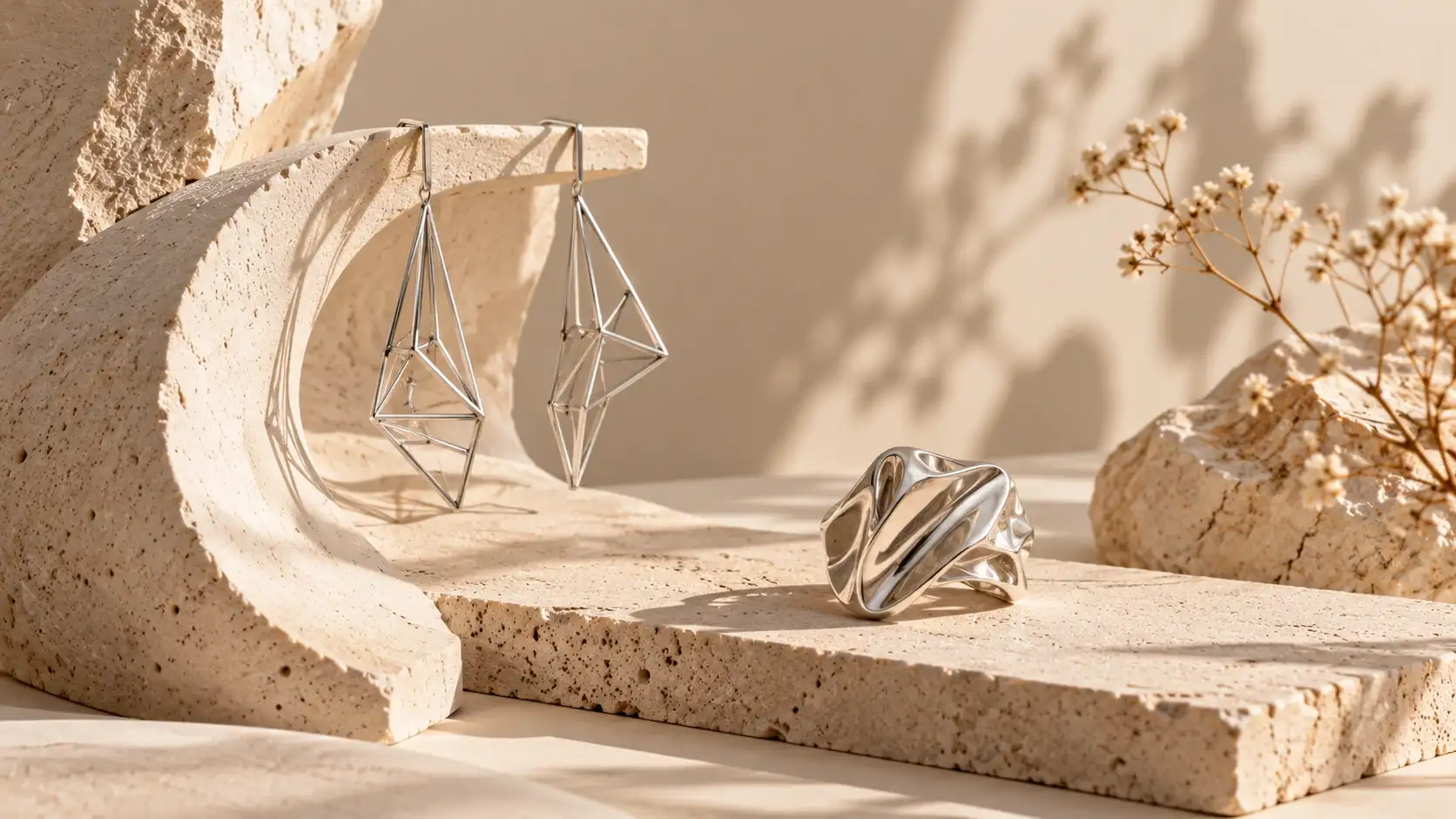
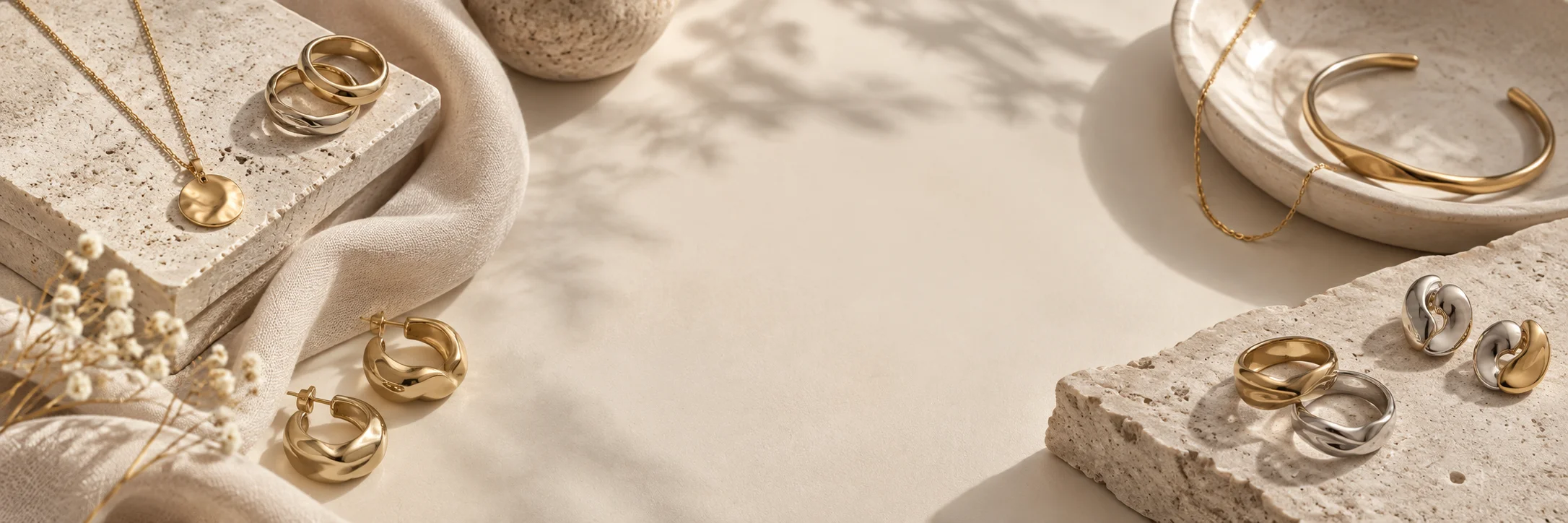
Sculptural Jewelry brings the language of sculpture into personal adornment, transforming gold, silver, and other materials into expressive forms that can be worn. Rather than focusing only on decoration, this approach explores volume, movement, texture, and the relationship between a piece of jewelry and the human body.
At Mahshid Gallery, contemporary jewelry reflects an appreciation for natural inspiration, thoughtful craftsmanship, and the beauty of simplicity.
What Is Sculptural Jewelry?
Sculptural jewelry is jewelry designed with an emphasis on three-dimensional form. Its shapes may be bold and architectural, soft and organic, or inspired by patterns found in nature. Curves, folds, irregular surfaces, and unexpected proportions can become the main features of a design.
Traditional jewelry often places the greatest emphasis on gemstones, ornamentation, or symmetrical arrangements. Sculptural designs may instead allow the material itself to create visual interest. A ring can feature a flowing silhouette, an earring may resemble a curved piece of metal, or a pendant can use negative space to create a striking outline.
This does not mean every sculptural piece must be large or dramatic. Minimal forms can also feel sculptural when their proportions, contours, and surfaces are carefully considered. The defining quality is the relationship between shape, space, and dimension.
The Key Characteristics of Sculptural Jewelry
From sculptural rings and statement earrings to distinctive necklaces and bracelets, this style offers a different way to experience jewelry. Each piece can become a small work of art, balancing visual impact with wearability.
Three-Dimensional Form
Form is central to sculptural design. Unlike a flat decorative pattern, a three-dimensional piece changes in appearance as the wearer or viewer moves around it. Light catches different surfaces, shadows develop along curves, and the silhouette may look different from each angle.
Designers consider how a piece appears from the front, side, and back. This attention to volume creates depth and makes even a simple design visually engaging.
Organic Shapes and Natural Inspiration
Nature offers a rich source of inspiration for sculptural forms. The movement of water, the outline of a leaf, the texture of stone, and the irregular shape of a shell can all suggest new approaches to jewelry design.
Organic shapes often feature asymmetry, flowing lines, and subtle irregularities. Instead of appearing perfectly manufactured, they may preserve a sense of movement or natural variation. These qualities can give a piece a distinctive character without requiring excessive decoration.
At Mahshid Gallery, the relationship between nature, movement, and simplicity provides a relevant foundation for exploring contemporary forms.
Texture, Light, and Shadow
Surface treatment can change the entire personality of a piece. A polished surface reflects light clearly, while a matte or brushed finish creates a softer visual effect. Hammered textures and carefully formed contours can add depth without introducing additional materials.
In Sculptural Jewelry, texture is often part of the design itself rather than a finishing detail. Raised areas, recessed sections, and curved surfaces create contrasts that become more noticeable as lighting changes.
Negative Space
Negative space refers to the open areas around and within a design. In jewelry, these spaces can be just as important as the metal itself. An open ring, an asymmetrical pendant, or an earring with a carefully shaped gap can feel light and architectural despite having a strong silhouette.
Using negative space also helps designers avoid unnecessary visual weight. It creates a balance between solid material and openness, allowing the design to feel expressive without becoming overcrowded.
Materials Used in Sculptural Jewelry
The materials used in sculptural jewelry play an essential role in defining each piece’s shape, texture, and visual impact. Gold, silver, and gemstones allow designers to experiment with organic curves, bold structures, and distinctive finishes while balancing artistic expression with durability and comfort.
Gold and Silver
Gold and silver are versatile materials for sculptural designs because they can be formed into a wide range of shapes and finished in different ways. Their color, reflectivity, and physical properties influence how a finished piece looks and feels.
Gold can create warmth and a sense of richness, while silver offers a cooler appearance that works well with both polished and textured surfaces. The choice depends on the intended design, the desired finish, and how the piece will be worn.
Material selection also affects practical considerations such as weight, durability, and construction. A large ring or pair of statement earrings needs to be designed with comfort in mind, not just visual impact.
Gemstones and Decorative Elements
Gemstones can complement sculptural forms, but they do not always need to be the central feature. A designer may use a single stone as a focal point or allow the metal’s shape to remain the most noticeable element.
When stones are included, their proportions and placement should work with the overall structure. A carefully positioned gemstone can introduce color or contrast while preserving the clarity of the design.
Other decorative elements may also be used, provided they support the composition rather than distract from it.
How to Wear Sculptural Jewelry
One of the advantages of sculptural design is its ability to make an outfit feel considered without requiring many accessories. A single distinctive piece can become the focal point of an otherwise simple look.
Make One Piece the Center of Attention
A sculptural ring or pair of earrings can stand out against clean silhouettes and understated clothing. Neutral colors and uncomplicated shapes often allow the jewelry’s contours to remain visible.
For everyday wear, a smaller sculptural piece can add character without overwhelming an outfit. For a special occasion, a more pronounced form may create a stronger visual statement.
Consider Proportion and Comfort
Scale matters when choosing jewelry. Larger earrings can create a dramatic outline, while a substantial ring may draw attention to the hand. The best choice depends on personal preference, the occasion, and how comfortably the piece can be worn.
Comfort should remain part of the decision. Weight, edges, fastening systems, and the way a piece rests against the body all influence the wearing experience.
Combine Forms Thoughtfully
Sculptural pieces can be worn together, but their shapes should complement one another. Pairing several items with similar curves or finishes can create cohesion. Alternatively, one prominent piece can be balanced with simpler accessories.
There is no single formula for styling these designs. The aim is to create a relationship between the pieces rather than allowing every accessory to compete for attention.
Why Sculptural Jewelry Appeals to Contemporary Design Lovers
Contemporary jewelry increasingly offers opportunities for personal expression beyond conventional ornamentation. Sculptural pieces can communicate an appreciation for art, architecture, material, and thoughtful design.
Their appeal often comes from the balance between simplicity and complexity. A piece may appear minimal at first glance but reveal subtle changes in contour, surface, or proportion when viewed more closely.
Sculptural Jewelry can also feel individual because the shape itself becomes a defining feature. Instead of relying entirely on a gemstone or decorative motif, the design communicates through its structure. This makes the approach suitable for people who value distinctive objects, artistic details, and jewelry that can be appreciated from multiple angles.
For a contemporary jewelry brand such as Mahshid Gallery, this design language offers a way to explore the relationship between material, emotion, and form while keeping the finished piece connected to everyday wear.
Caring for Sculptural Jewelry
Proper care helps preserve both the appearance and structure of sculptural pieces. The right routine depends on the metal, finish, gemstones, and construction.
- Store each piece separately to reduce scratches and tangling.
- Avoid exposing jewelry unnecessarily to harsh chemicals, perfumes, and cleaning products.
- Remove pieces before activities that could cause impact, bending, or abrasion.
- Clean gently using a method appropriate for the specific material and finish.
- Have loose settings, clasps, or structural connections checked by a qualified jeweler when needed.
Textured and highly polished surfaces may respond differently to cleaning, so avoid abrasive products unless a professional confirms they are suitable.
Conclusion
Sculptural jewelry brings together art, material, and wearable design. Through three-dimensional forms, organic lines, thoughtful textures, and carefully considered proportions, it transforms jewelry into more than a decorative accessory. Each piece can express an idea through its silhouette and the way it interacts with light and the body.
Whether expressed through a bold ring, an architectural pendant, or a subtle pair of earrings, this approach offers a distinctive way to explore personal style. By focusing on form, craftsmanship, comfort, and simplicity, contemporary designers can create jewelry that feels expressive while remaining meaningful and wearable.
FAQ
- What Is Sculptural Jewelry?
Sculptural jewelry is jewelry designed around three-dimensional shapes, distinctive contours, and artistic forms. It often emphasizes volume, texture, and negative space rather than relying only on gemstones or decorative details.
- What Materials Are Commonly Used in Sculptural Jewelry?
Gold and silver are popular choices because they can be shaped into a wide variety of forms and finished with different textures. Depending on the design, sculptural jewelry may also incorporate gemstones and other decorative materials.
- Is Sculptural Jewelry Suitable for Everyday Wear?
Yes. Many sculptural pieces are designed for everyday use. Smaller rings, simple pendants, and lightweight earrings can add an artistic touch to daily outfits. Comfort, weight, durability, and the intended occasion are important factors when choosing a piece.
- How Do You Style Sculptural Jewelry?
You can style sculptural jewelry with simple clothing to make the design stand out. Wearing one statement piece as a focal point is an easy approach, while combining pieces with complementary shapes and finishes can create a more coordinated look.
- What Makes Sculptural Jewelry Different from Traditional Jewelry?
Traditional jewelry often emphasizes gemstones, symmetry, or decorative ornamentation. Sculptural jewelry places greater emphasis on shape, dimension, structure, and the interaction of light and shadow. Its form can become the main visual feature of the piece.
- How Should You Care for Sculptural Jewelry?
Store each piece separately to prevent scratches, avoid harsh chemicals, and clean it using methods suitable for its material and finish. Textured surfaces and delicate structural details may require extra care. For valuable or intricate pieces, consult a professional jeweler.